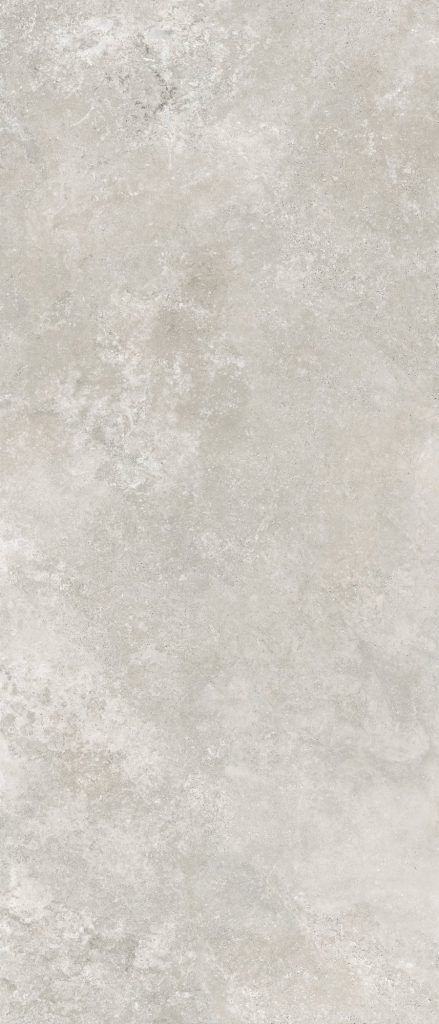
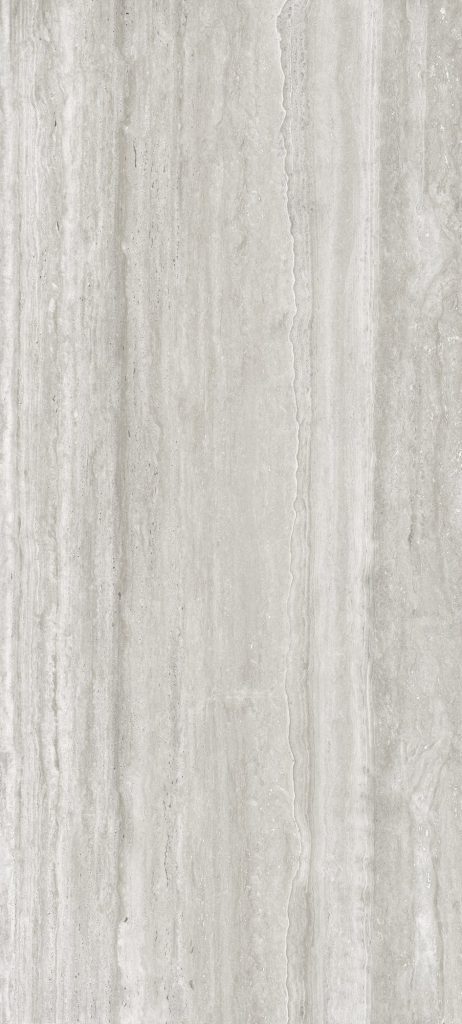
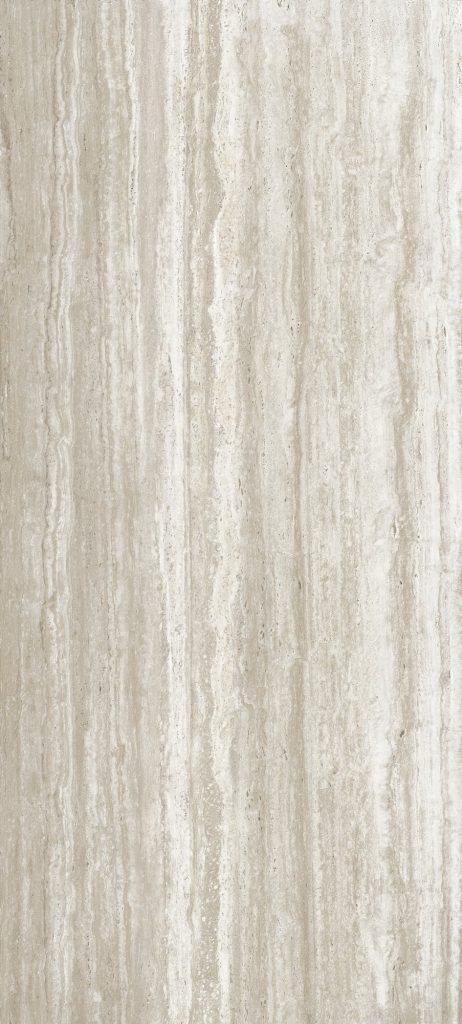
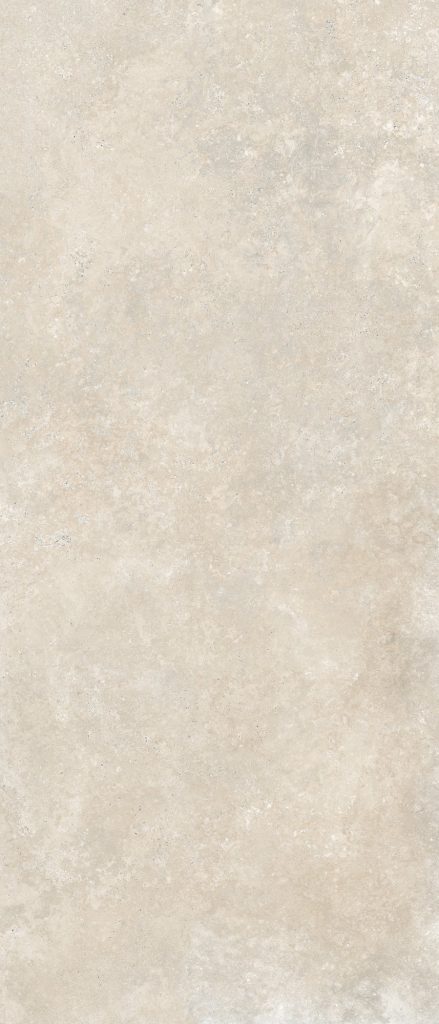
Vein-cut travertine versus cross-cut: What’s the difference and which should you choose? If you have started shopping for travertine tiles, you will probably have already come across these two terms which sound technical but make a surprisingly big difference to the finished look of a room: vein-cut and cross-cut.
So what is the difference between them? And more importantly for you, which one should you choose for your project or home?
The short answer is that both cuts come from the same natural stone. The difference is the direction in which the travertine block is cut. That change in cutting direction reveals the stone’s natural layers in completely different ways, producing either a linear, directional pattern or a softer, cloud-like apearance.
What is the difference between vein-cut and cross-cut travertine?
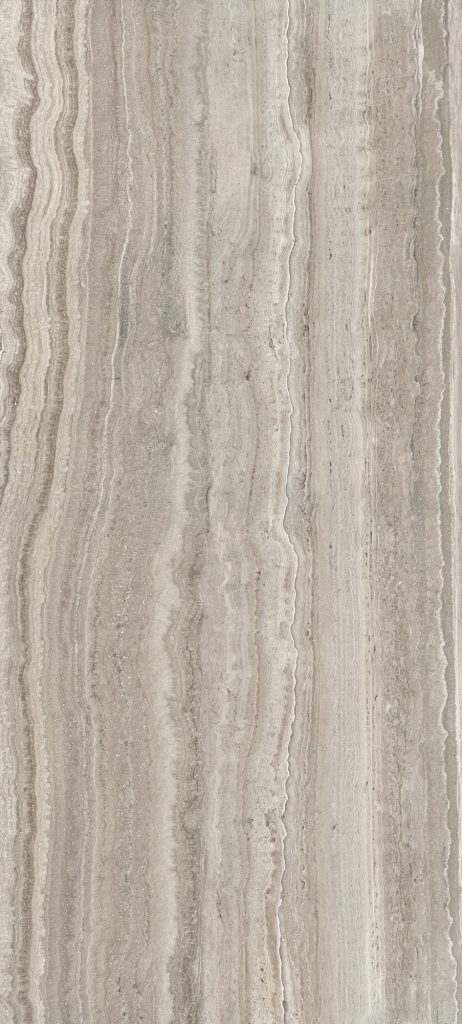
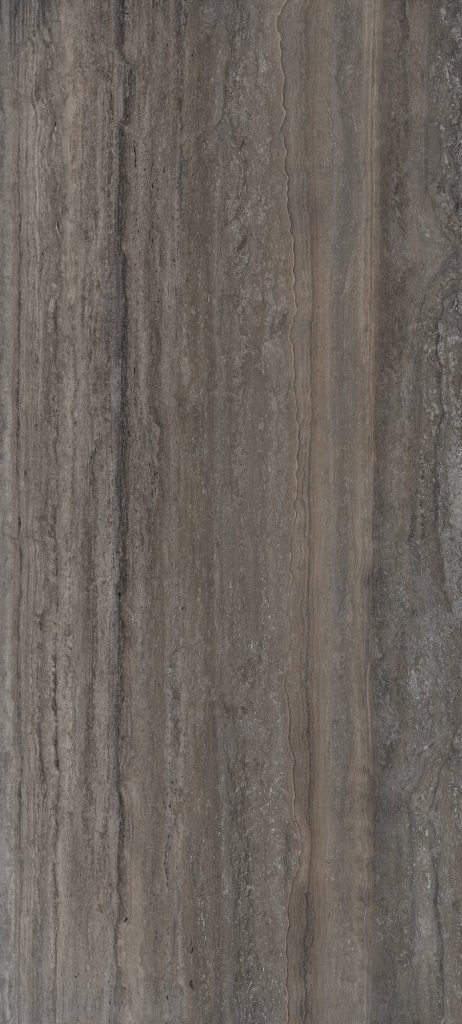
Travertine is a sedimentary stone formed in layers over millions of years. Think of those layers a little like the grain in wood. When a quarry block is cut in one direction, the layers appear as long flowing lines. This is vein-cut travertine.
When the same block is cut in the other direction, the layers are revealed as softer shapes, clouds, rings and mineral patterns. This is cross-cut.
In other words, vein-cut and cross-cut are not two different types of travertine, they are two ways of cutting the same type of stone and offer two distinctly differeint design effects:
At this point it is important to clarify that due to the huge advancement in the development of porcelain tiles, it is possible to have both vein-cut and cross-cut limestone-effect tiles that are made of porcelain, rather than natural stone. This gives you the beauty of the stone with the practicality that porcelain gives you: low maintenance with no need for sealing, plus scratch, stain and heat resistance built-in.
How do you recognise vein-cut tiles?
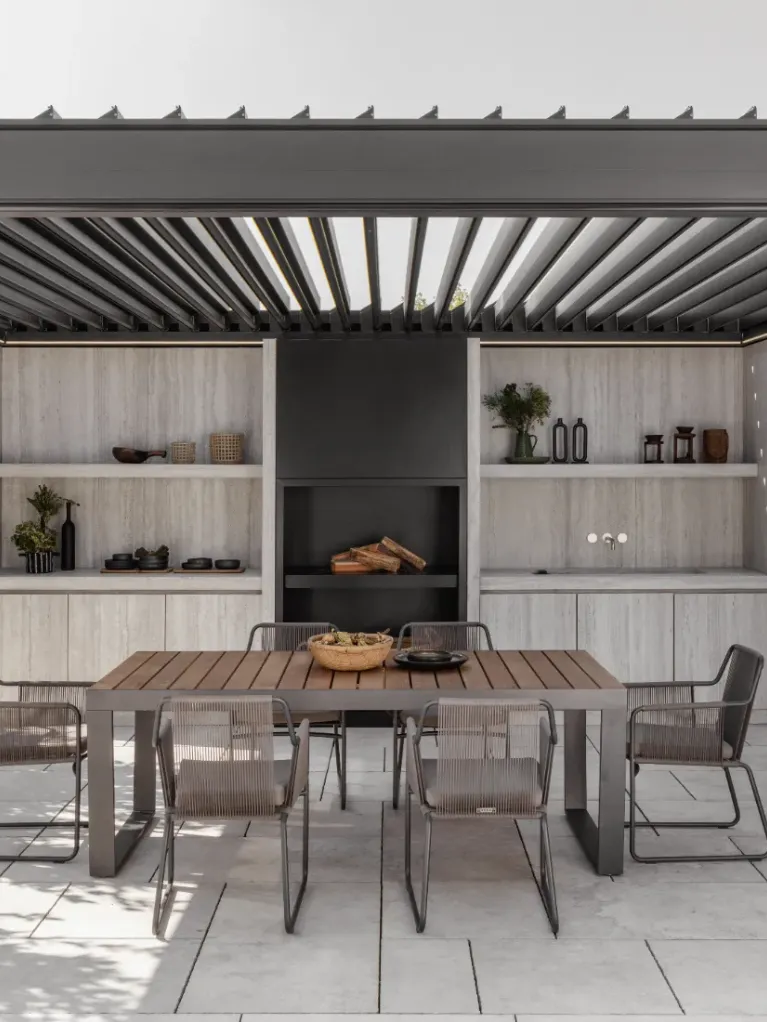
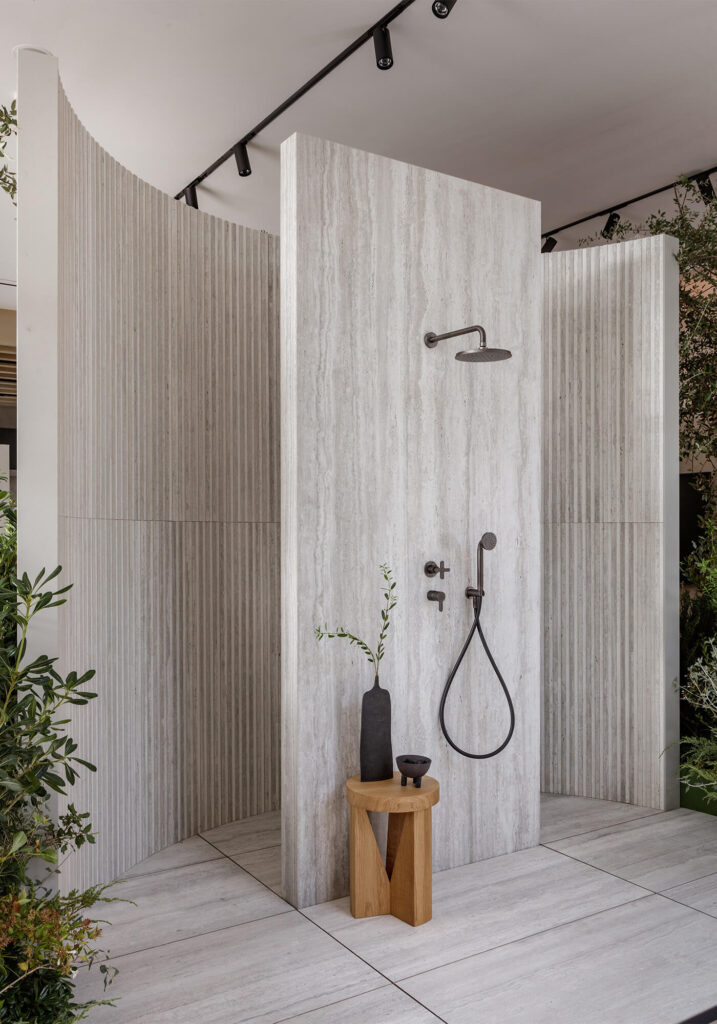
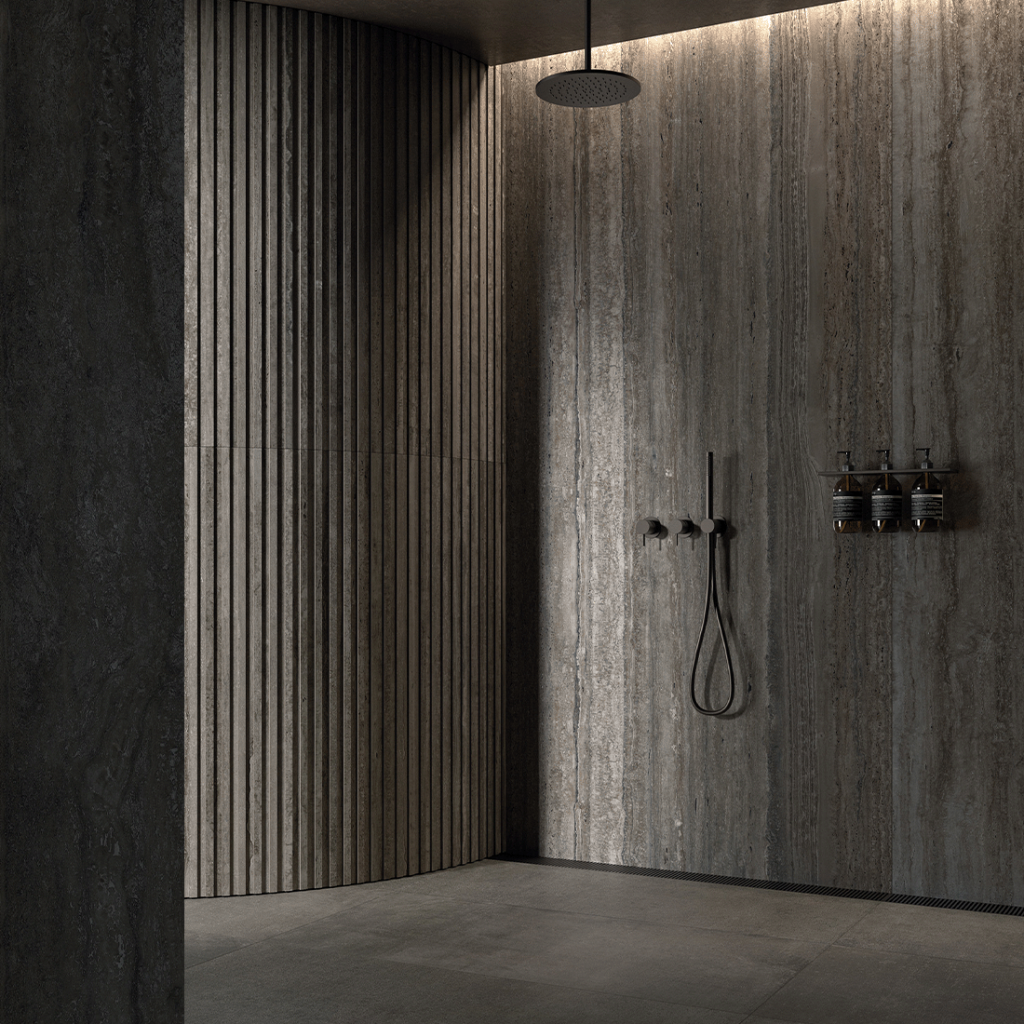
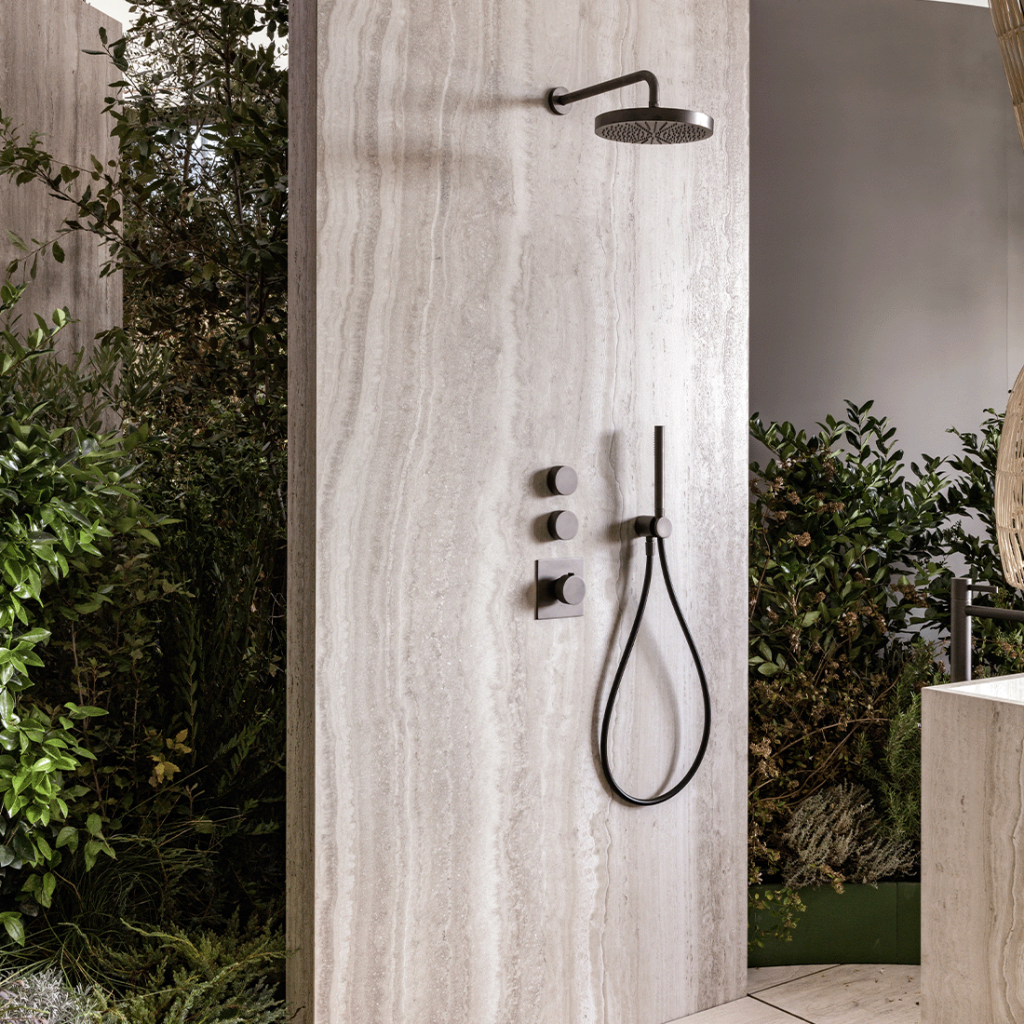
Vein-cut tiles are recognised by long, relatively straight bands and linear movement. The pattern tends to run in a clear direction across the tile or slab making it look more architectural and deliberate. These bands or lines can range from subtle tonal bands to much stronger contrasting veins. Because the pattern has a clear direction, it can be incorporated into the wider architecture of a room, e.g. the lines can be run vertically to emphasise height or horizontally to create a sense of width. The vibe is sleek, modern, structured and architectural.
Where does vein-cut work best?
- A contemporary bathroom
- A vertical feature wall
- A fireplace surround
- A large entrance or reception room
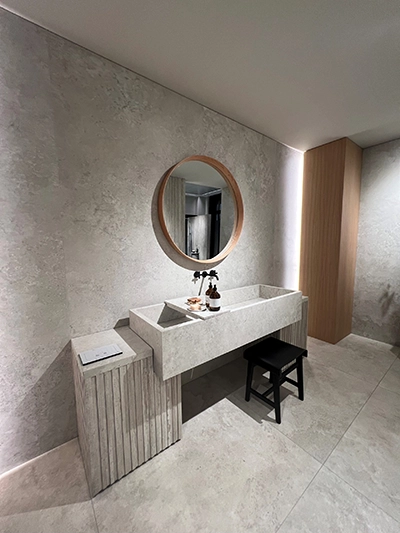
- A horizontal kitchen island or bathroom vanity unit
- A statement slab feature wall
- In support of a modern interior with strong architectural lines
What do cross-cut tiles look like?
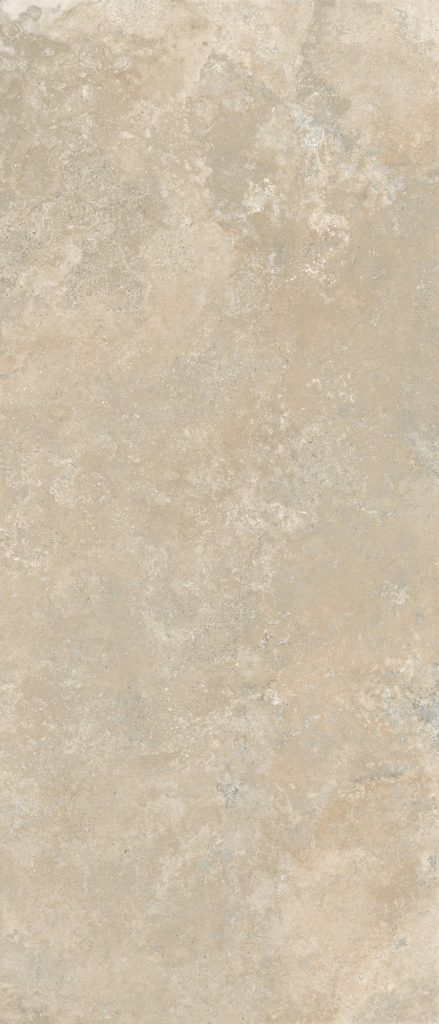
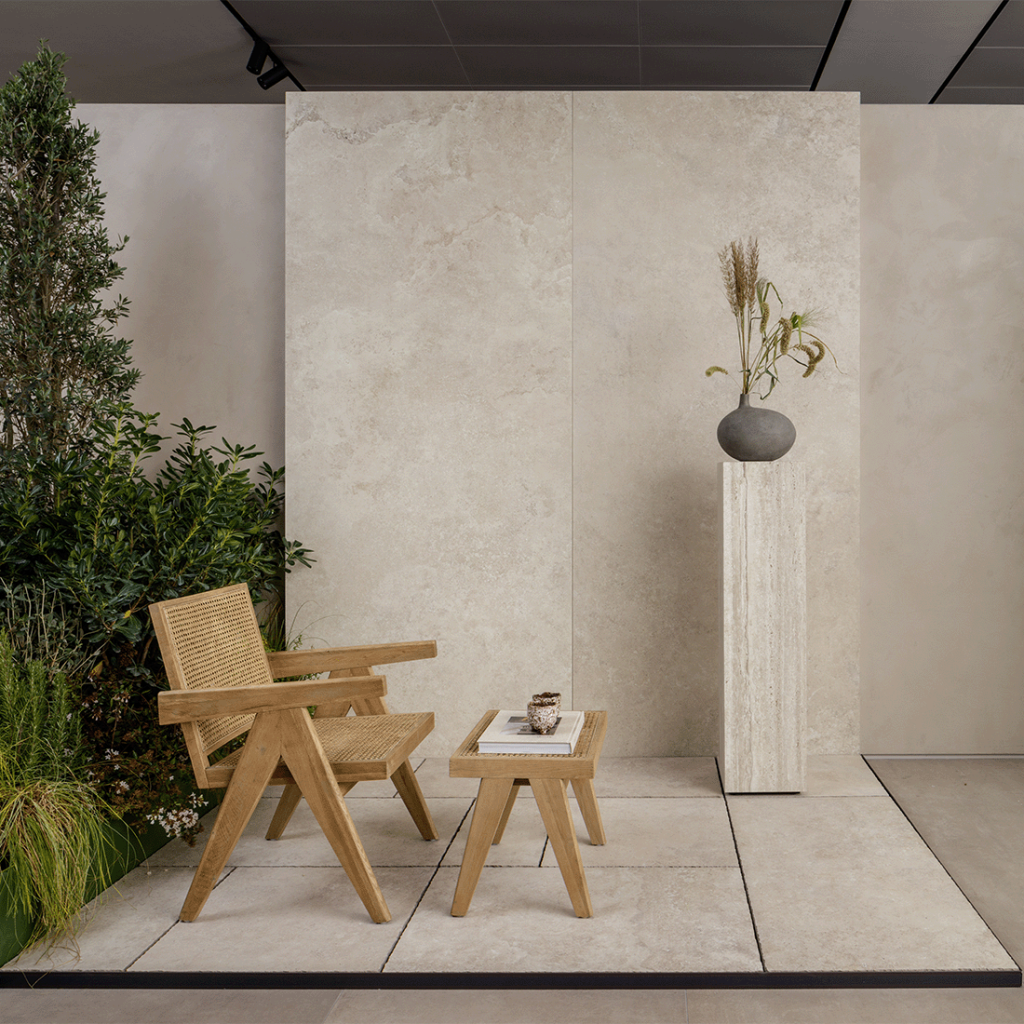
Cross-cut tiles have a much softer less directional appearance. Instead of long linear bands, you typically see cloud-like movement, rounded formation, tonal variation and natural mineral patterns, sometimes even fossils. The result is more organic.
This can make cross-cut tiles particularly appealing when you want warmth and texture without creating a strong directional feature.
It is also easier to work into layouts where tiles need to change direction, because there is a less obvious grain direction making the whole look more relaxed and forgiving. The vibe is soft, calm, traditional and earthy.
Where does cross-cut work best?
Consider cross-cut tiles in the following scenarios:
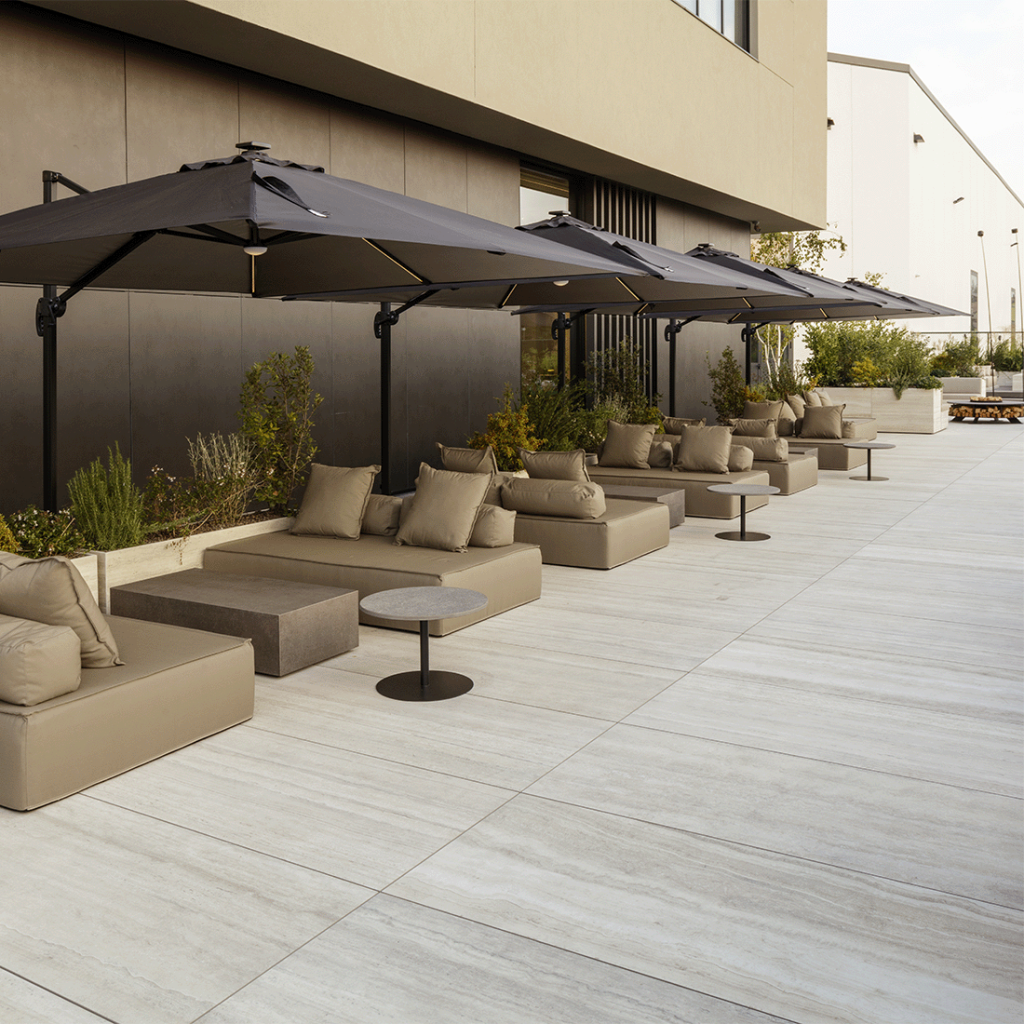
- Large open-plan floors
- Kitchens
- Hallways
- Terraces and patios
- Mediterranean-inspired interiors
- Calm neutral schemes
A cross-cut design can be particularly effective when you want the floor or wall to feel naturally varied rather than highly patterned.
Finally don’t confuse cut with finish…
One of the most common points of confusion when buying a limestone/travertine-effect tile is the difference between cut and finish. They are not the same thing! The cut determines the direction of the cut and the way the veins look, and the finish determines how the surface feels and reflects the light. For example, you could have:
- Vein-cut and hone
- Vein-cut and polished
- Cross-cut and honed
- Cross-cut and tumbled
This means that you need to consider both decisions together. A honed finish will generally give either cut a softer, more matt appearance, while a polished finish can make the colour and pattern of a tile appear more pronounced. A tumbled edge creates a more aged and tactile look and feel. So don’t consider one without the other.
Conclusion
To be honest there is no outright winner in this. The best choice will depend on the effect you want to create. If you priority is strong, architectural movement, vein-cut is more likely to appeal. If your priority is a softer, more relaxed natural looking stone-effect surface, cross-cut may be more suitable.
With these types of tiles, you really need to see and feel them in person to see where they will work best in any project.